Building the Outstanding Custom Produce Boxes: A Methodical Tutorial
Designing custom produce boxes calls for a strategic approach. Professionals must consider environmental responsibility, functionality, and aesthetics. Selecting the suitable materials is crucial for maintaining freshness and promoting eco-friendly practices. Furthermore, dimensions and shape can greatly influence ease of use and transport efficiency. Compelling graphics enhance company identity, while detailed testing guarantees durability. Grasping these elements will uncover critical understanding into creating standout container solutions that resonate with consumers. What follows is vital to achieving those goals.
Choosing the Right Materials for Custom Produce Boxes
When choosing materials for custom produce boxes, it is essential to assess both functionality and environmental responsibility. The choice of material greatly affects the box's longevity, weight, and ability to protect the contents. Common materials consist of corrugated cardboard, which offers strength and is recyclable, making it a popular choice for environmentally aware businesses. Biodegradable options, such as molded pulp or plant-based plastics, also align with sustainable practices while providing sufficient protection for delicate produce.
In addition, moisture resistance is indispensable for maintaining freshness, prompting some creators to examine treated materials or specialized coatings. The visual quality of the box requires attention, as brand identity and visual communication can influence market perception. Ultimately, the right material should maintain proportion between protecting the take action produce, drawing in buyers, and adhering to environmental standards, making sure that effectiveness and environmental consciousness are stressed in the design process.
How to Decide on Size and Shape for Functionality?
When determining the size and shape of custom produce boxes, thorough evaluation of produce measurements is crucial for effective storage. Additionally, considerations for movement and transportation can affect the box design, ensuring ease of movement. Optimizing storage space utilization further enhances functionality, allowing for effective presentation and organization.
Evaluate Produce Measurements Carefully
Picking the optimal proportions and form for produce boxes is required for operational success. Meticulous examination of item dimensions is paramount, as it confirms that products fit securely without excess room that might lead to harm during transport or warehousing. Purpose-built boxes need to support various shapes, from fragile fruits to substantial vegetables, while maintaining structural integrity. Moreover, the vertical and horizontal measurements of the boxes should promote stacking and organization, optimizing space in warehouse zones. A well-engineered container not only guards the produce but also elevates visual appeal for consumers. In conclusion, careful consideration of dimensions contributes to reducing waste and boosting consumer satisfaction in the supply chain.
Examine Handling and Transport Procedures
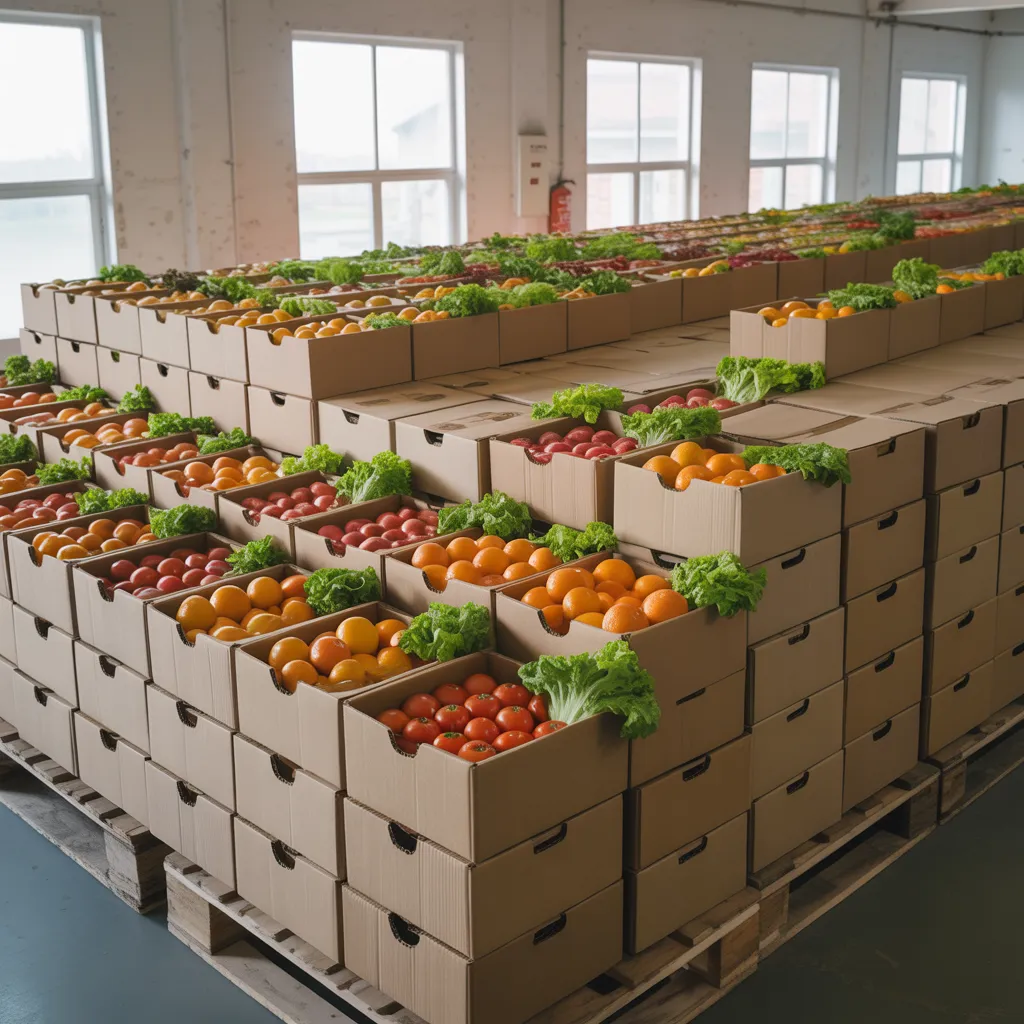
Transport and handling factors play a significant role in deciding the proper dimensions and shape of custom produce containers. The dimensions must accommodate the produce without excessive room, which could lead to shifting and damage throughout transport. Smaller, compact boxes facilitate simpler handling, while larger boxes may be needed for larger items. Additionally, ergonomic design is vital; handles or openings should be strategically placed to allow for pleasant raising and carrying. The shape of the box also affects layering and stability, ensuring that products remain secure. In the end, careful consideration of these factors boosts the productivity of transport, minimizes goods waste, and supports the general soundness of the fresh items starting farm until end user.
Enhance Product Space Allocation
Optimal shelf space usage comes down to picking the best measurements and configuration of custom vegetable packaging. Professionals should examine the proportions of the shelving units as well as the kinds of produce being maintained. Rectangular boxes often advance space efficiency, supporting for better arrangement and fitting. However, varied forms can amplify visual appeal but may generate unutilized areas if not well planned.
It's necessary to analyze the stock circulation rate; briskly-selling products might profit from compact, easily reachable containers. Likewise, integrating customizable or modular designs can facilitate varying dimensions of produce while improving shelf organization. By emphasizing practicality with visual appeal, businesses can fashion a practical and attractive display that elevates both accessibility and item visibility.
How to Make Graphics That Seize Focus?
Compelling graphics can transform a simple custom produce box into a beautiful showcase that attracts attention. To achieve this, visual artists should commence by picking a color combination that conveys the vigor and vibrancy of the produce. Bright, captivating colors can awaken feelings of freshness and health, motivating consumers to take a closer look.
Strong typefaces is also essential; readable typefaces can successfully convey key details while boosting design attractiveness. In addition, employing high-quality images of the goods can form instant engagement, highlighting the item's caliber and compelling potential buyers.
Furthermore, incorporating distinctive designs and visuals can help differentiate the brand in a competitive market. Uniformity in design elements, such as logos and taglines, strengthens brand identity. Ultimately, a combination of creativity and clarity in graphic design can greatly elevate the impact of custom produce boxes, making them become prominent on shelves.
Eco-Friendly Practices for Custom Produce Box Packaging Solutions
An rising number of companies are implementing eco-friendly methods for custom produce box packaging, recognizing its importance in today's eco-aware market. These approaches often include the use of biodegradable materials, such as recycled paper and plant-based plastics, which reduce environmental impact. Companies are also focusing on sustainable sourcing, ensuring that materials are obtained from responsibly managed forests or suppliers who prioritize environmental stewardship.
Also, many brands are choosing minimalist designs that reduce waste while still successfully displaying their products. This strategy not only appeals to eco-minded consumers but also assists with cutting production costs. Moreover, businesses are increasingly establishing efficient manufacturing processes that restrict energy consumption and waste generation. By integrating these sustainable practices, companies not only strengthen their brand image but also contribute positively to the planet, matching their operations with a sustainable future.
Testing Your Custom Produce Box Layout
Testing the design of custom produce boxes is an important step in confirming they meet both appearance-based and functional standards. This process generally encompasses studying components such as durability, size, and practical use. First, working models should be created to inspect the box's overall soundness, ensuring it is able to handle transportation and preservation without affecting the produce.
Following this, user testing sessions can be carried out to measure how smoothly the boxes can be unfastened, fastened, and layered. Suggestions from prospective users can be invaluable in this period, sharing understanding of the box's usefulness.
In addition, the design's aesthetic value should be validated through survey groups or focus panel discussions, gauging consumer reactions to branding features, colors, and overall presentation.
Ultimately, extensive testing allows designers to refine the box, ensuring it not only appeals to customers but also effectively protects and presents the produce within, striking the right balance between form and function.
Efficiently Publicize Your Made-to-Order Produce Boxes
Impactful promotion of custom produce boxes requires a strategic approach that emphasizes their unique features and benefits. Businesses must concentrate on identifying their target audience, such as local farms, grocery stores, or individual consumers. Capitalizing on social networking sites can amplify market visibility, showcasing the boxes' appearance and functionality through compelling visuals and storytelling.
Furthermore, teaming up with local influencers or farmers can boost credibility and extend reach. Introducing offers or price reductions during seasonal peaks can pull in new clients and stimulate customer loyalty.
Moreover, emphasizing sustainability and eco-friendliness in advertising content can connect with environmentally conscious consumers. Delivering detailed information about the materials used and the positive aspects of personalized packaging options can help differentiate the product in a competitive market.
Ultimately, a thorough promotional plan that combines online and local community efforts will effectively promote custom produce boxes, appealing to a diverse clientele and driving sales.
Commonly Requested Queries
What Costs are Included in Custom Produce Box Design?
Costs related to custom produce box design include raw materials, printing, labor, and shipping. Additionally, design services and minimum order quantities can impact overall costs, leading to different prices based on specific requirements and manufacturing volume.
What Duration Is Required to Make Custom Boxes?
Production of custom boxes generally requires two to six weeks. Important elements affecting this schedule involve design intricacy, sourcing of materials, and production capacity, all of which may affect shipping timelines and lead times.
Can I Purchase a Small Amount of Personalized Produce Boxes?
Yes, modest quantities of made-to-order produce boxes can generally be ordered. Many suppliers deliver minimum order quantities, making it possible for businesses or individuals to get customized packaging solutions without needing to obligate to large quantities to start.
Which Typical Errors Should Be Avoided in Custom Box Design?
Typical errors in custom box design involve neglecting functionality, disregarding brand consistency, undervaluing material quality, not taking into account target audience preferences, and overlooking environmental impact. Each aspect is indispensable for effective packaging and customer satisfaction.
How Do I Verify That My Boxes Meet Food Safety Standards?
To verify boxes maintain food-grade status, individuals must pick materials approved for food contact, eliminate harmful inks and adhesives, maintain cleanliness during production, and routinely evaluate for compliance with health regulations and safety standards.